
Warmer floors in winter
Insulation under the floor reduces heat loss through the timber, so floors stay noticeably warmer. This is especially valuable in Coburg North’s cold winters where bare feet on cold floorboards is a common complaint.
Coburg North
Underfloor insulation installed under suspended timber floors in Coburg North stops cold floors and draughts through floorboards. We fit bulk batts between floor joists from the subfloor to improve thermal comfort and reduce heating costs.
Share your details and Expert Insulation Melbourne will contact you about Underfloor Insulation in Coburg North.
Coburg North has many older weatherboard and brick veneer homes with suspended timber floors that let cold air rise through gaps in the floorboards. Underfloor insulation is the fix. We install glasswool, polyester or rockwool batts between the floor joists from the subfloor, creating a thermal barrier that keeps floors warmer in winter and reduces draughts year round.
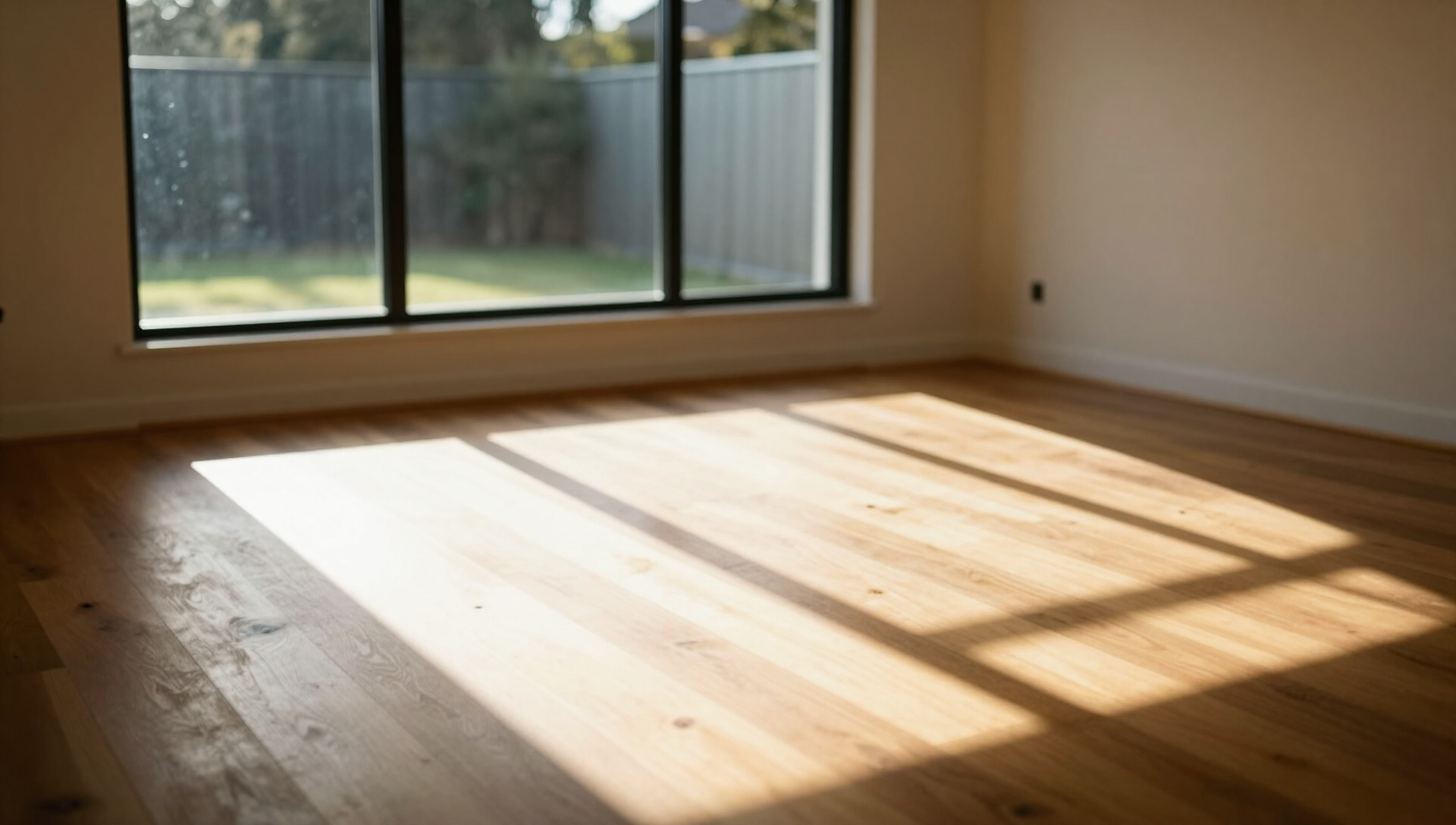
Suspended timber floors are common in Coburg North and without insulation they allow cold air to enter the home through gaps in the floorboards. Underfloor insulation addresses this by adding a thermal layer beneath the floor, which improves comfort and energy efficiency.
Insulation under the floor reduces heat loss through the timber, so floors stay noticeably warmer. This is especially valuable in Coburg North’s cold winters where bare feet on cold floorboards is a common complaint.
Bulk batts block air movement through the subfloor, stopping cold draughts from rising through gaps in the floor. This makes the home feel less chilly and reduces the need for constant heating.
By reducing heat loss through the floor, your heating system works less to maintain a comfortable temperature. Homeowners in Coburg North typically see a reduction in energy bills after installation.
Underfloor insulation evens out temperatures across the home. Rooms above insulated floors feel more consistent, eliminating cold spots near windows and external walls.
Properly installed underfloor insulation helps manage moisture in the subfloor, reducing the risk of condensation on cold surfaces and protecting timber from damp.
We access the subfloor through existing vents or small access panels, so there is no need to remove floorboards or disrupt the home. Work is completed from below the floor.
Installing underfloor insulation requires access to the subfloor and careful placement of batts between joists. We follow a methodical process to ensure full coverage and a tidy finish.
We check the subfloor for adequate crawl space, existing insulation and any signs of moisture or pest damage. Access is gained through existing vents or by creating small access panels if needed.
Batts are measured to fit snugly between the floor joists without compression. We use the chosen material - glasswool, polyester or rockwool - cut to the exact width of the joist spacing.
Batts are friction-fitted between the joists, ensuring no gaps or compression that would reduce performance. We work systematically across the subfloor to cover the entire area.
Any gaps around pipes or cables are sealed to maintain the thermal barrier. We remove all offcuts and debris, leaving the subfloor clean. Access panels are reinstated and the site is left tidy.
Coburg North has a mix of older weatherboard and brick veneer homes, many with suspended timber floors that benefit from underfloor insulation. These homes often have limited subfloor access, so we plan each job to work efficiently within the available space. Nearby suburbs like Brunswick and Pascoe Vale have similar housing stock, and we service those areas as well.
Stop cold floors and draughts in Coburg North with underfloor insulation installed under suspended timber floors.
Homeowners in Coburg North often ask about the practicalities of underfloor insulation, from access and cost factors to material choices. Here are the key details.
Underfloor insulation in Coburg North addresses the common issue of cold floors in homes with suspended timber flooring. Without insulation, cold air from the subfloor rises through gaps in the floorboards, making rooms feel chilly and increasing heating costs. Installing bulk batts between the floor joists creates a thermal barrier that keeps floors warmer and reduces draughts.
Coburg North’s older weatherboard and brick veneer homes are ideal candidates for underfloor insulation. These properties often have limited subfloor access, so we use existing vents or create small access panels to install the batts without disrupting the home. The process is non-invasive and typically completed in a day, depending on the size of the home and access conditions.
The choice of material affects performance and cost. Glasswool and polyester batts are common for underfloor applications, with R-values typically ranging from R1.5 to R2.5. The final R-value depends on the thickness of the batts and the joist spacing. We recommend a site inspection to assess access, existing insulation and the best material for your Coburg North home.
Stop cold floors and draughts in your Coburg North home with underfloor insulation. We install bulk batts under suspended timber floors to improve comfort and reduce heating costs.