
Warmer winters
Up to 35 percent of heat escapes through an uninsulated ceiling. Installing bulk batts between ceiling joists keeps warmth inside, so your heater runs less often and your home stays comfortable.
Coburg North
Bulk insulation traps still air in your ceiling, walls and floors to slow heat flow. In Coburg North’s older brick and weatherboard homes, it cuts winter heat loss through uninsulated ceilings and cold floors over suspended timber subfloors. Expert Insulation Melbourne installs glasswool, polyester and rockwool batts to the R-values that suit your home and budget.
Share your details and Expert Insulation Melbourne will contact you about Bulk Insulation in Coburg North.
Bulk insulation uses materials like glasswool, polyester or rockwool batts to resist the flow of heat by trapping still air within its fibres. In Coburg North, where many homes were built before insulation was common, it is one of the most effective ways to reduce heating costs in winter and keep interiors cooler during summer heatwaves.
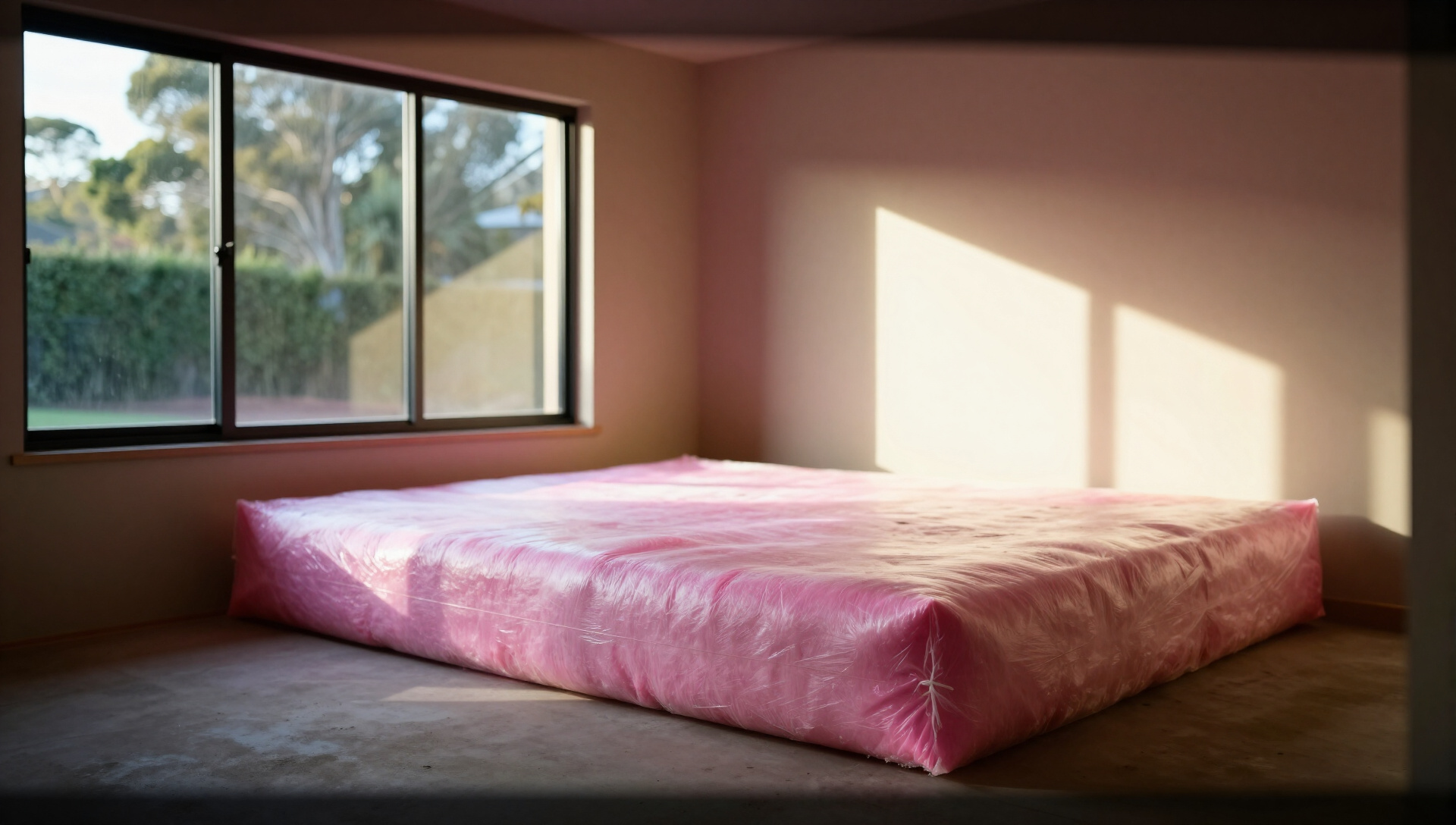
Coburg North has a mix of interwar bungalows and postwar brick homes, many with uninsulated roof spaces and suspended timber floors. Bulk insulation addresses the main paths of heat loss and gain in these houses, delivering year-round comfort and lower energy bills.
Up to 35 percent of heat escapes through an uninsulated ceiling. Installing bulk batts between ceiling joists keeps warmth inside, so your heater runs less often and your home stays comfortable.
Bulk insulation in the ceiling also blocks summer heat radiating through the roof. This reduces the load on air conditioners and helps maintain a more even indoor temperature.
By slowing heat flow in both directions, bulk insulation lowers the demand on heating and cooling systems. Homeowners typically notice a drop in energy bills within the first season.
Dense bulk batts absorb airborne noise, reducing sound transfer between rooms and from outside. This is especially useful in Coburg North’s closely built suburbs.
Modern polyester and glasswool batts are treated to resist moisture, which helps prevent mould and maintains thermal performance in Melbourne’s damp winters.
Bulk insulation does not settle or degrade over time if installed correctly. It retains its R-value for the life of the building, provided it stays dry and undisturbed.
We begin with a thorough inspection of your roof space, wall cavities or subfloor to check access, existing insulation and any obstacles like cables or downlights. This ensures we choose the right product and R-value for your home.
We measure the area to be insulated and assess the condition of the roof space or subfloor. We note downlight positions, flues and any compressed or damaged existing batts that need removal.
Based on your budget and needs, we recommend glasswool, polyester or rockwool batts and the appropriate R-value. Ceilings commonly use R4.0 to R6.0, walls R2.0 to R2.7, and underfloors R1.5 to R2.5.
We clear dust and debris from the roof space if needed and ensure safe access. For wall insulation, we confirm the stud framing is exposed during renovations or extensions.
Batts are cut to fit snugly between joists or studs without gaps or compression. We maintain required clearances around downlights and flues and avoid covering vents or exhaust fans.
Coburg North’s mix of older brick and weatherboard homes often have little or no insulation. Bulk batts in the ceiling are the first priority to stop winter heat loss, while underfloor insulation fixes cold floors and draughts in suspended timber homes. Wall insulation is ideal during renovations when stud frames are open.
Expert Insulation Melbourne installs glasswool, polyester and rockwool batts in Coburg North ceilings, walls and floors.
Homeowners in Coburg North often ask about R-values, installation time and whether their home is suitable. Here are the answers to the most common questions.
Bulk insulation in Coburg North is a practical upgrade for older homes that lack thermal protection. Glasswool, polyester and rockwool batts are fitted between ceiling joists, wall studs or floor joists to resist heat flow. This reduces the amount of energy needed to heat and cool your home, which is especially valuable in Melbourne’s climate with its cold winters and hot summers.
In Coburg North, ceiling insulation is the most effective first step because the roof space is a major source of heat loss in winter and heat gain in summer. Underfloor insulation is also important for homes with suspended timber floors, as it stops cold air rising through the floorboards. Wall insulation is typically installed during renovations when the internal lining is removed, exposing the stud frame.
The R-value you choose depends on your budget and the area being insulated. Higher R-values provide greater thermal resistance but cost more. Ceilings commonly use R4.0 to R6.0, walls R2.0 to R2.7, and underfloors R1.5 to R2.5. The final performance also depends on correct installation, with no gaps or compression, and maintaining clearances around heat sources like downlights.
Call Expert Insulation Melbourne on 0399695249 or email info@expertinsulationmelbourne. com. au to discuss bulk insulation for your Coburg North home.