
Lower Heating and Cooling Costs
Uninsulated brick veneer walls account for up to 25 percent of winter heat loss. Cavity insulation reduces this by trapping still air in the wall, so your heater and cooler work less to maintain a steady temperature.
Brick Veneer Specialists
Cavity wall insulation fills the gap in brick veneer walls to stop draughts and heat loss in Coburg North homes. We inspect, drill and inject insulation to improve your thermal comfort without damaging the exterior.
Share your details and Expert Insulation Melbourne will contact you about Cavity Wall Insulation in Coburg North.
Cavity wall insulation is for brick veneer or double brick homes with a hollow space between the outer and inner leaf. In Coburg North, many postwar and 1960s to 1990s houses have this construction. We inject bulk insulation material into the cavity through small holes drilled in the mortar, then patch them to leave no trace. This blocks air movement through the wall, cutting winter heat loss and summer heat gain.
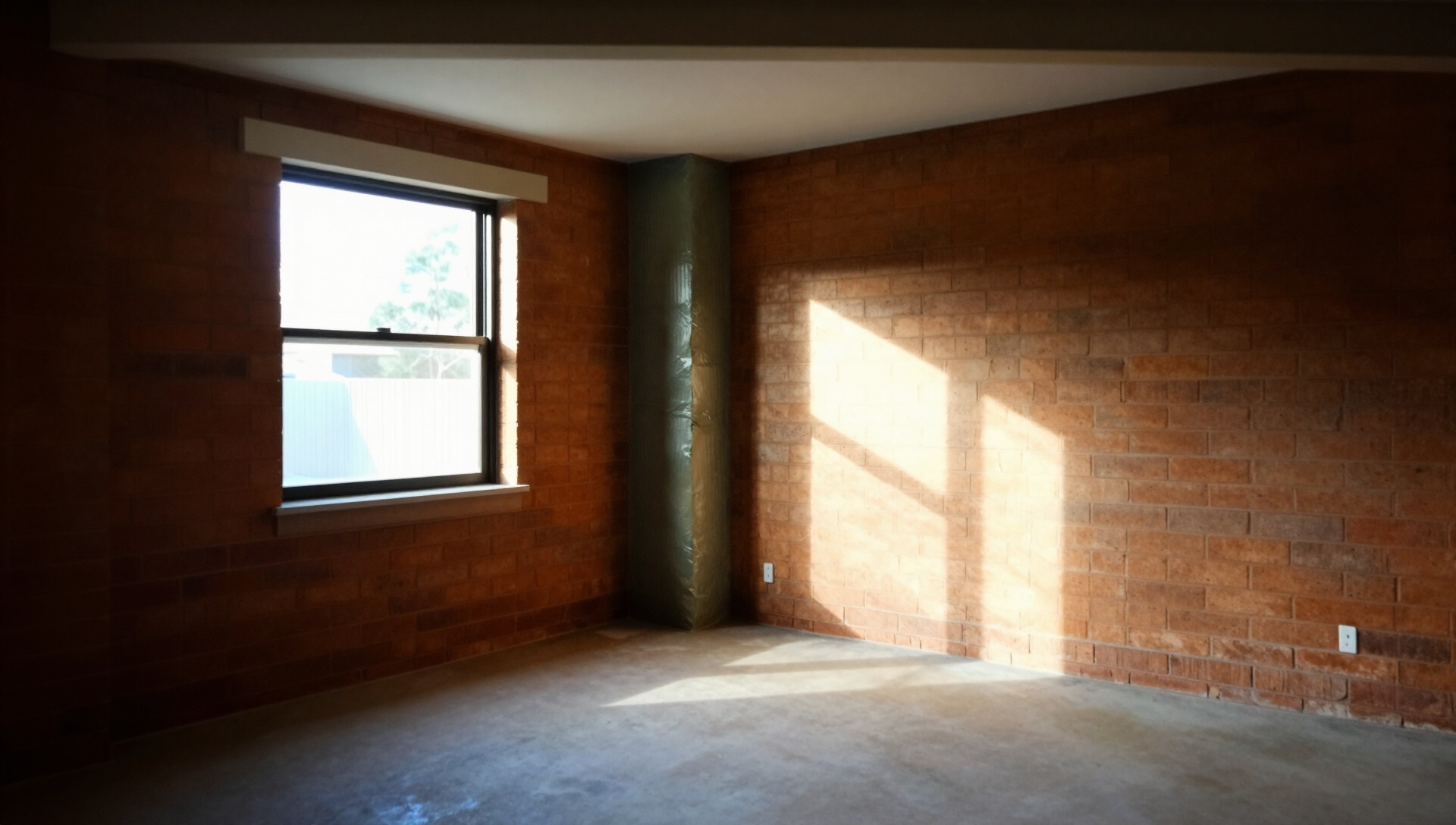
Coburg North has many brick veneer homes that lose heat through uninsulated wall cavities. Filling this gap improves thermal performance, reduces energy bills and makes your home more comfortable year-round.
Uninsulated brick veneer walls account for up to 25 percent of winter heat loss. Cavity insulation reduces this by trapping still air in the wall, so your heater and cooler work less to maintain a steady temperature.
Gaps in mortar and around windows let cold air in and warm air out. Cavity insulation blocks these draughts, making rooms feel warmer in winter and cooler in summer without adding bulk to the wall.
The process does not require removing internal linings or external cladding. We access the cavity from outside, drill small holes, inject the material and patch them to match your existing mortar.
Filling the cavity also dampens outside noise from traffic and neighbours, which is useful for homes near Pascoe Vale Road or the Upfield rail line.
Insulating the cavity helps prevent cold spots on internal walls where moisture can condense, lowering the risk of mould growth in living areas.
Once installed, cavity wall insulation remains effective for the life of the building, with no settling or compression like some ceiling batts can experience over time.
We follow a careful process to ensure the insulation is installed correctly and the finish is neat. Most jobs are completed in a day, depending on the size of your home and access to the walls.
We first check your wall type to confirm it has a suitable cavity. Brick veneer is almost always suitable, while double brick may or may not have a continuous cavity. We also look for signs of moisture or existing damage that needs addressing before installation.
Small holes are drilled in the mortar joints at regular intervals around the wall. These are spaced to ensure even distribution of the insulation material throughout the cavity.
We use a blowing machine to inject loose-fill insulation into the cavity through the holes. The material fills the gap completely without compressing, ensuring consistent thermal resistance.
After injection, the holes are patched with colour-matched mortar to blend in with your existing brickwork. We clean up the site and leave your home looking as it did before we arrived.
Coburg North has a mix of postwar brick veneer and 1960s to 1990s brick homes that benefit from cavity wall insulation. Many of these houses were built without insulation in the wall cavity, leading to cold walls in winter and heat gain in summer. Filling this gap improves comfort and reduces reliance on heating and cooling, which is especially valuable given Melbourne’s cold winters and hot summers. Nearby suburbs like Pascoe Vale and Brunswick also have similar housing stock that can be treated the same way.
We provide cavity wall insulation for homes in Coburg North and surrounding areas, including Pascoe Vale and Brunswick.
Homeowners in Coburg North often have questions about how cavity wall insulation works, whether their home is suitable and what to expect during installation. Here are the most common queries we answer.
Cavity wall insulation is a cost-effective way to improve the thermal performance of brick veneer homes in Coburg North. Many houses in this suburb were built with an uninsulated cavity between the outer brick leaf and the internal wall. This hollow space allows air to move freely, leading to significant heat loss in winter and heat gain in summer. By injecting insulation material into the cavity, we create a barrier that reduces air movement, making your home more energy-efficient and comfortable.
The process is non-invasive and does not require removing internal wall linings or external cladding. We drill small holes in the mortar joints, inject the insulation and then patch the holes to match your existing brickwork. This method is particularly suitable for Coburg North’s brick veneer homes, which often lack insulation in the wall cavity. The result is a warmer home in winter, a cooler home in summer and lower energy bills year-round.
Cavity wall insulation also helps with noise reduction, which is beneficial for homes near busy roads or rail lines in Coburg North. By filling the cavity, we dampen outside noise, creating a quieter indoor environment. Additionally, insulating the cavity can reduce the risk of condensation on internal walls, which helps prevent mould growth and maintains a healthier living space.
Improve the thermal comfort of your brick veneer home with cavity wall insulation. We inspect, install and finish the job with minimal disruption to your property.